Scan QR

Scroll through social media for just a few minutes and you'll probably see flawless skin everywhere.
No visible pores.
No bumps.
No texture.
No dark spots.
No hair follicles.
It's easy to believe that perfectly smooth skin is what healthy skin should look like.
But here's the truth:
Healthy skin naturally has texture.
Tiny pores, visible hair follicles, fine lines, and slight variations in tone are completely normal. Unfortunately, heavily edited photos, filters, and unrealistic beauty standards have made many people believe that any amount of texture means something is wrong.
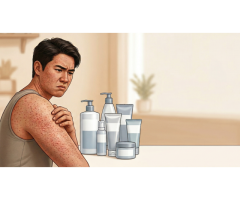
If you've ever looked at your arms or legs and wondered:
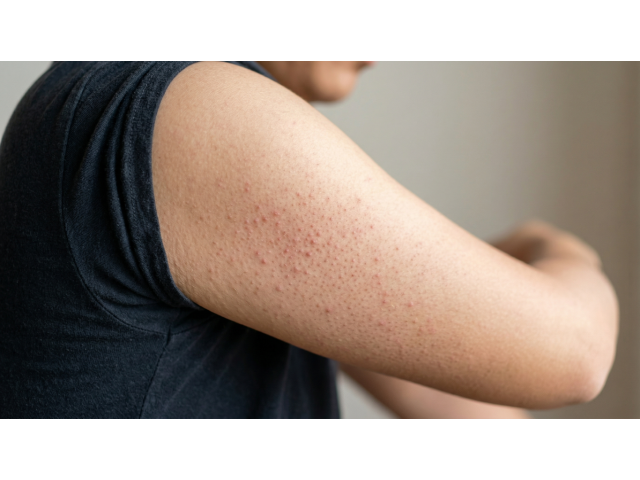
"Why is my skin bumpy?"
"Why can I see my pores?"
"Is this strawberry ski...
Scan QR
Scroll through social media for just a few minutes and you'll probably see flawless skin everywhere.
No visible pores.
No bumps.
No texture.
No dark spots.
No hair follicles.
It's easy to believe that perfectly smooth skin is what healthy skin should look like.
But here's the truth:
Healthy skin naturally has texture.
Tiny pores, visible hair follicles, fine lines, and slight variations in tone are completely normal. Unfortunately, heavily edited photos, filters, and unrealistic beauty standards have made many people believe that any amount of texture means something is wrong.
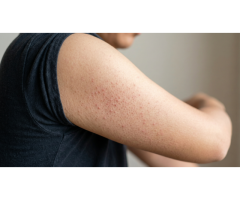
If you've ever looked at your arms or legs and wondered:
"Why is my skin bumpy?"
"Why can I see my pores?"
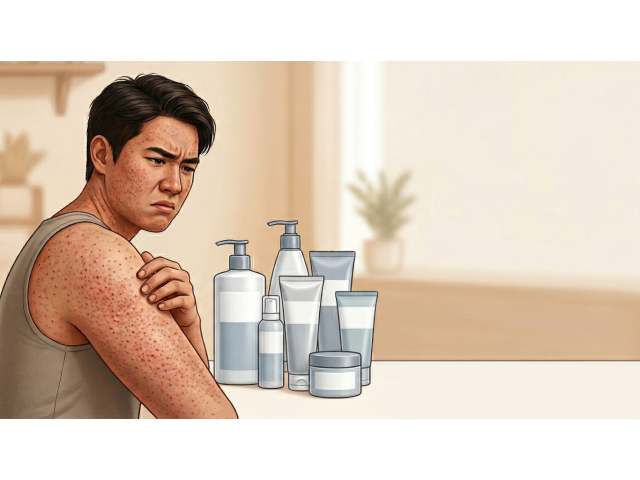
"Is this strawberry skin?"
"Does healthy skin look perfectly smooth?"
You're not alone.
Understanding what healthy skin texture actually looks like can help you build realistic expectations—and choose skincare routines that improve your skin without chasing impossible perfection.
In this guide, we'll explain:
What healthy skin texture really looks like
The difference between normal texture and skin conditions
When rough skin may indicate keratosis pilaris or strawberry skin
How to improve skin texture safely
Common myths about "perfect" skin